As an Amazon Associate, we earn from qualifying purchases. Learn more
The Verdict
Best for serious athletes who want completely passive tracking and don't mind paying monthly. The training load and recovery insights are excellent, but you're locked into their ecosystem. The 5.0 adds SpO2 and temperature sensing in a smaller package.
Pros
- Fully automatic 24/7 tracking
- Excellent sleep staging analysis
- Strain tracking for training load
- 15% smaller than previous generation
- New SpO2 and skin temperature sensors
Cons
- Ongoing subscription cost adds up
- Locked to Whoop ecosystem only
- No display for quick glances
- Some find the band uncomfortable
How It Measures HRV
Whoop uses photoplethysmography (PPG) with green LEDs to detect blood volume changes through your skin. It samples continuously and calculates HRV during your slow-wave sleep phases when readings are most consistent.
Accuracy
Multiple studies have validated Whoop's HRV measurements against ECG chest straps. Like all PPG-based devices, readings may be 6-11% lower than ECG measurements. While not as precise as medical-grade equipment, it's accurate enough for tracking trends and making training decisions.
The Subscription Model
At $25-40/month (depending on tier), Whoop costs $199-359/year—more than buying most competitors outright. You're paying for ongoing algorithm updates, cloud storage, and new features. Whether that's worth it depends on how much you value the insights.
What's New in 5.0
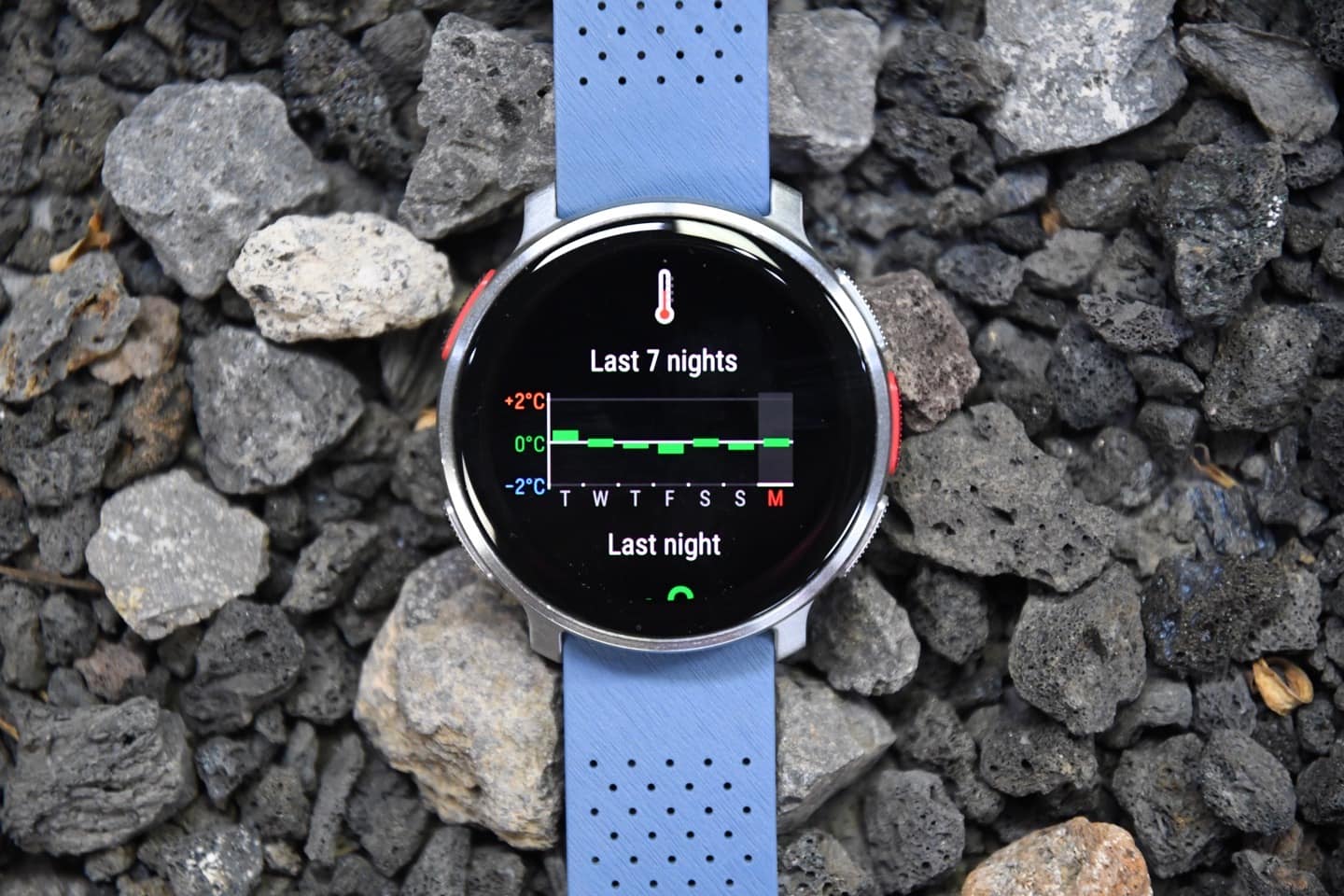
Released in late 2024, the Whoop 5.0 is 15% smaller than the 4.0 while adding new sensors for blood oxygen (SpO2) and skin temperature. These metrics feed into the recovery score. The core HRV tracking remains largely unchanged, but the smaller form factor makes all-day wear more comfortable.





/filters:quality(90)/fit-in/600x600/coros-v2/images/pace3-2308/pace3_img@2x.png)